JONATHANHALLPHOTOGRAPHY_0053 JONATHANHALLPHOTOGRAPHY_0053
 JONATHANHALLPHOTOGRAPHY_0006 JONATHANHALLPHOTOGRAPHY_0006
Genevieve de Montaigne
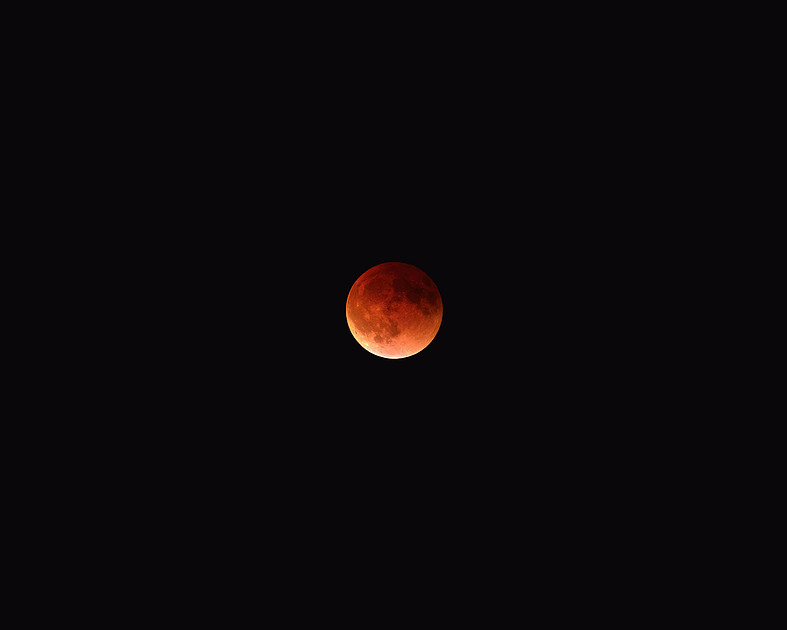
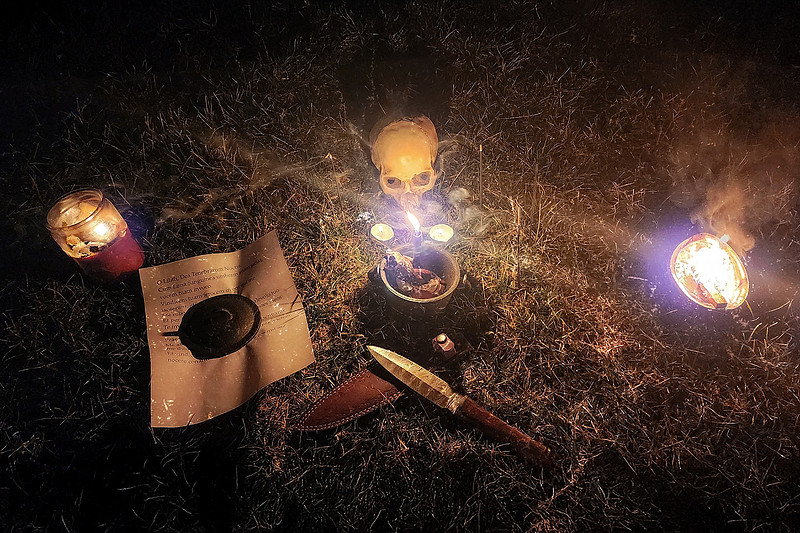
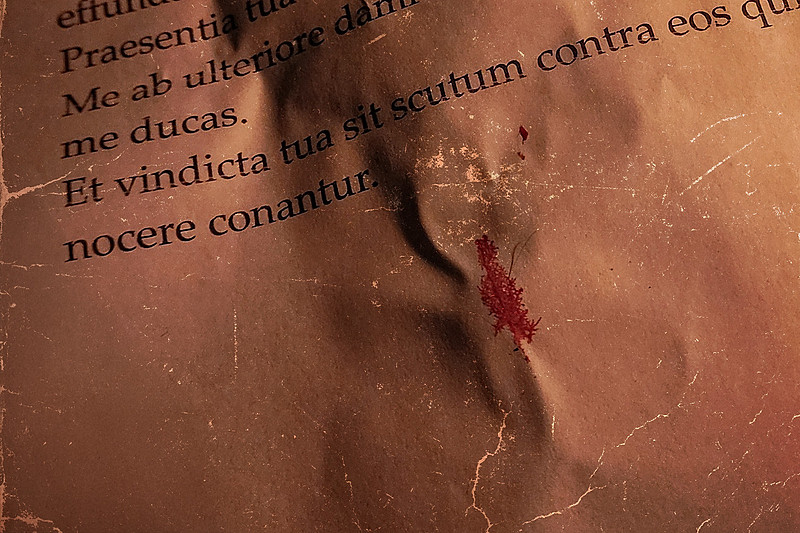
Genevieve de Montaigne (fl. c. 1390 – c. 1420), often referred to posthumously as the "Crimson Witch", was a purported practitioner of esoteric arts, primarily "Blood Magic," active in the alpine regions of what is now Switzerland and France during the late 14th and early 15th centuries. While definitive historical documentation of her life remains scarce, accounts gleaned from local folklore, fragmented ecclesiastical warnings, and certain obscure grimoires suggest a figure of considerable mystical influence and formidable, often unsettling, power within her isolated communities.
Early Life and Origins
Little is definitively known about Genevieve de Montaigne's early life. Oral traditions suggest she emerged from one of the secluded valleys of the Valais or Savoy regions, possibly orphaned or estranged from conventional society. Her apparent command of nature and reclusive lifestyle, often centered around the most desolate and snow-covered areas of the mountains, led to the attribution of the "de Montaigne" moniker, implying a profound, almost primal, connection to the mountainous terrain. It is believed she operated largely outside the established societal and religious structures of the era, cultivating her unique and formidable practices in isolation.
Practices and "Blood Magic"
Genevieve de Montaigne's renown stems primarily from her alleged mastery of a highly specialized and dangerous form of arcane practice, termed "Blood Magic" by later chroniclers. Her purported rituals were invariably associated with the manipulation of potent life forces and the drawing of profound, often unsettling, insights from sanguine offerings.
Eyewitness accounts, often vague due to profound fear or superstition, consistently describe her rituals taking place in remote, high-altitude locations. These sites were typically natural rock formations, often snow-dusted, featuring depressions or basins where water might collect. Within these natural altars, Genevieve de Montaigne was said to prepare a pool of liquid, described as being of a deep, vivid crimson.
Crucially, accounts from the period attribute to her the horrifying ability to transmute pure water into blood. She drew upon the essence of the mountain's springs and melted snow, twisting its very nature to create the vital medium for her sorcery. The intent of these rites was to achieve heightened states of perception, allowing her to discern hidden truths, manipulate elemental forces, or even to forge terrifying bargains with the ancient, unseen spirits believed to inhabit the alpine peaks. The atmosphere around these rituals was intensely charged, with reports of a palpable, unnatural chill or an unsettling hum in the air, often preceding significant, inexplicable events.
Notable Incidents
Among the various legends surrounding Genevieve de Montaigne, one stands out as a chilling testament to her formidable power and willingness to exact retribution. Local folklore, particularly from the village of Aigremont, on the Franco-Swiss border, recounts an incident in 1410. Following a call by local villagers to drive her from the region, Genevieve de Montaigne is said to have visited a severe and terrifying punishment upon them. According to the accounts, she transformed the water of the village's primary well into blood, rendering it undrinkable and spreading fear and sickness. This act served as a stark warning of the consequences of incurring her wrath, solidifying her reputation as a powerful and malevolent force.
Reputation and Legacy
Genevieve de Montaigne's reputation was one of profound awe and pervasive fear. While some, desperate for aid or forbidden knowledge, sought her out, she was widely considered a dark and dangerous heathen, due to her disturbing practices and the raw, unholy power she commanded. She appears to have largely avoided direct confrontation with church authorities, possibly due to the extreme remoteness of her activities and the profound dread she inspired.
The exact circumstances of her disappearance from historical record around 1420 are unknown. No definitive grave or final resting place has ever been identified. Her legend, however, persisted, passed down through generations of mountain dwellers and later documented in various regional histories and esoteric texts. Today, Genevieve de Montaigne stands as a compelling, albeit semi-mythical, figure in the history of European folk magic, representing a unique intersection of reclusive power, unsettling practices, and the profound, often terrifying, art of Blood Magic within the rugged Alpine landscape.
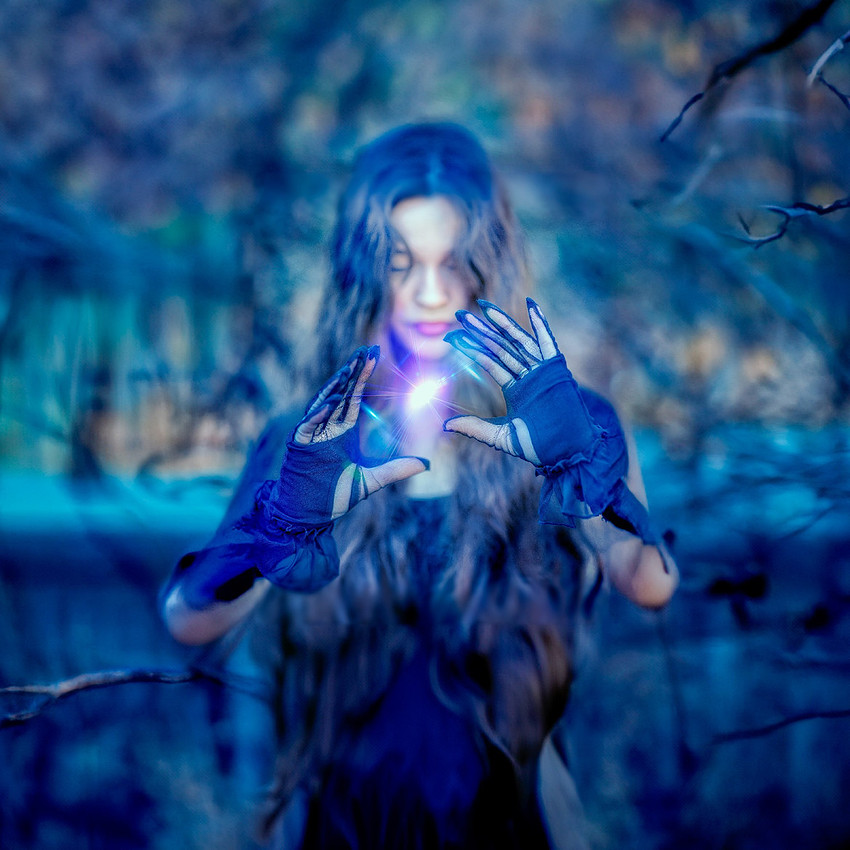
 A beautiful witch enchants her talisman A beautiful witch enchants her talisman
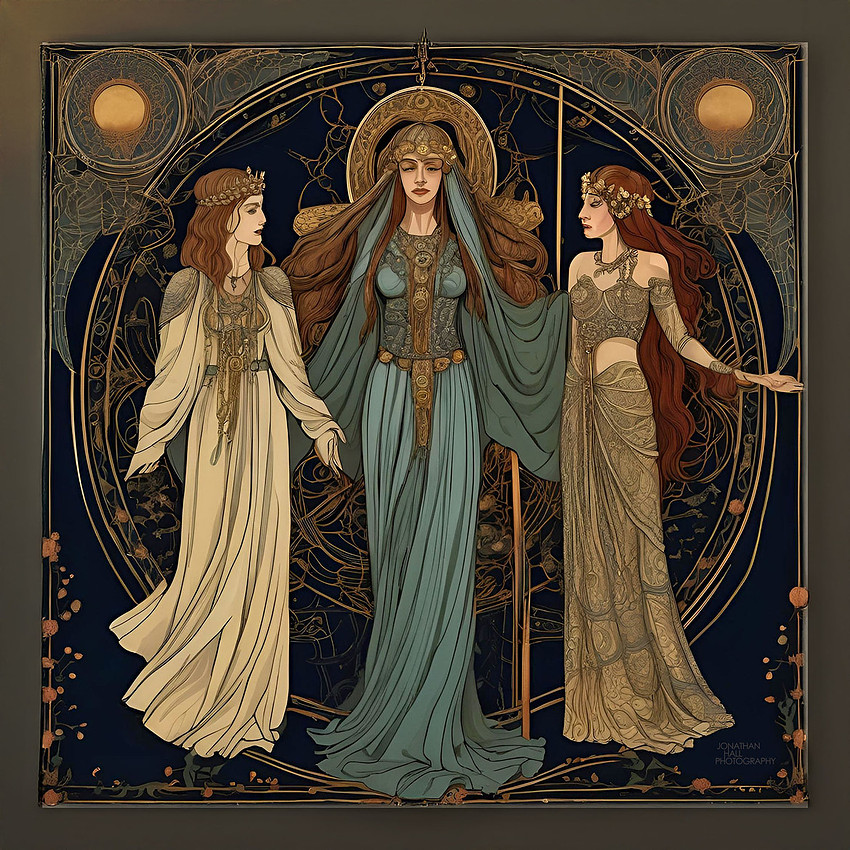 DISABLOTDisablot, as envisaged by Jonathan Hall Photography DISABLOTDisablot, as envisaged by Jonathan Hall Photography
Unveiling Disablot: A Time of Reverence for the Feminine Powers of the North
For those who walk a path attuned to the ancient rhythms and echoes of the past, there are observances that resonate deeply, even if they lie beyond the more commonly known seasonal festivals. One such occasion is Disablot, a time dedicated to honoring the potent feminine energies within the Norse cosmology.
Disablot centers around the Dísir, a collective term encompassing powerful female deities, guardian spirits of kin, and revered female ancestors. These beings are often associated with fate, protection, fertility, and the nurturing aspects of life. Their influence is felt in the subtle currents that shape our world and the enduring strength found within families and communities.
The timing of Disablot is not fixed to a specific date on the modern calendar. Historically, its observance appears to have been linked to the transition from winter to spring. In contemporary practice, many who honor these traditions look to lunar cycles as a guide. Following one common interpretation that aligns Disablot with the third full moon after the winter solstice, the observance in 2025 likely occurred around mid-March, with March 14th, 2025, being a significant point for many.
The ways in which Disablot is observed can vary, reflecting individual understanding and connection to these powers. However, certain themes often emerge:
- Communal Feasting: Sharing food and drink fosters connection and acknowledges the blessings received.
- Libations and Offerings: Pouring a drink or presenting a crafted item can be a gesture of respect and gratitude towards the Dísir and ancestral spirits.
- Remembrance and Storytelling: Recalling the wisdom and strength of female figures from the past reinforces their enduring influence.
- Seeking Guidance: This time can be an opportunity to reflect on the currents of fate and to seek blessings for the coming year, particularly in matters of protection and well-being.
For those of us who feel a kinship with the Northern traditions, Disablot offers a valuable opportunity to acknowledge and connect with the often-unseen yet profoundly influential feminine forces that shape our lives. It is a time for quiet contemplation, for honoring the strength and wisdom of the past, and for seeking favor as we move forward. While it may not be a widely recognized holiday, its significance for those who observe it lies in its deep connection to the foundational energies of life and lineage.
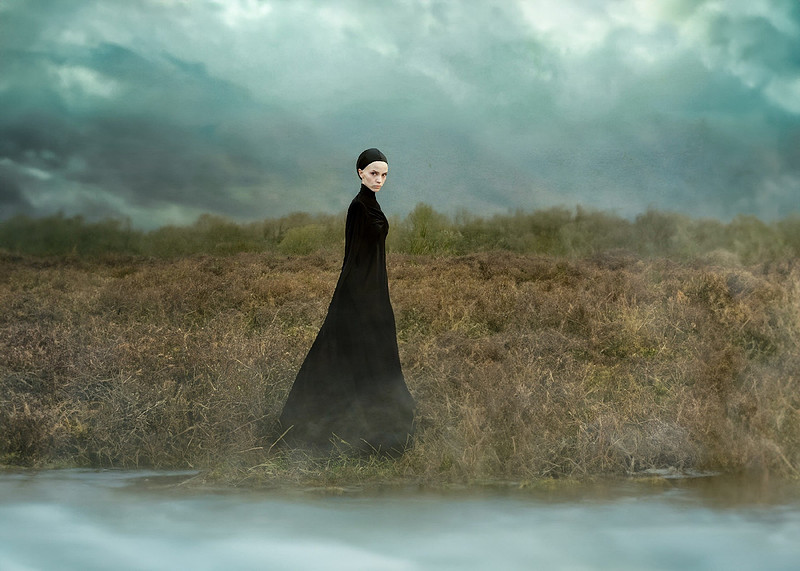 Never Cross A WitchNever Cross a Witch." More than a phrase, it's a powerful warning about respect and consequences. Never Cross A WitchNever Cross a Witch." More than a phrase, it's a powerful warning about respect and consequences.
As a photographer specializing in the captivating world of witches and the occult, I'm often drawn to images and phrases that evoke a sense of mystery and power. One such phrase, "Never Cross a Witch," has long resonated with me, inspiring a piece I created some time ago. It's a statement that carries an implied warning, a whisper of ancient wisdom, and a profound respect for the potent forces at play within the craft.
But what exactly does it mean to "cross a witch"? On the surface, it might simply imply disrespect or betrayal. Yet, the warning runs far deeper. It speaks to a fundamental understanding of karma and the energetic give-and-take that governs the universe, a principle keenly understood by those who practice magic. Witches, by their very nature, are often deeply attuned to these currents. They understand that actions have consequences, and that energy, once unleashed, will inevitably return to its source.
To cross a witch, then, is to disrupt this delicate balance. It's to disregard boundaries, to act with malice, or to intentionally cause harm. And while the idea of a vengeful curse might be a common trope in fiction, the reality is often far more subtle, yet equally impactful. It's not necessarily about an overt hex, but rather the natural unfolding of karmic repercussions. When you send out negative energy, it often finds its way back to you, perhaps not in the way you expect, but in a manner that reflects the initial imbalance.
My photograph, "Never Cross a Witch," aims to capture this very essence. It's a visual exploration of the quiet strength, the inherent power, and the profound awareness that often defines those who walk the path of the witch. It's a reminder that there's an unspoken agreement, an energetic contract, in all interactions.
The image invites you to ponder: What does true power look like? Is it overt aggression, or is it a deep understanding of universal laws and the ability to wield them with intention? For me, it's the latter. It's the knowledge that every action creates a ripple, and that disrespecting someone, especially someone attuned to these energies, can lead to unforeseen consequences.
Ultimately, "Never Cross a Witch" is more than just a catchy phrase or a captivating photograph. It's a call for respect, for mindfulness, and for an understanding of the intricate web of energy that connects us all. It's a testament to the fact that power, when wielded with intention and integrity, commands a natural reverence.
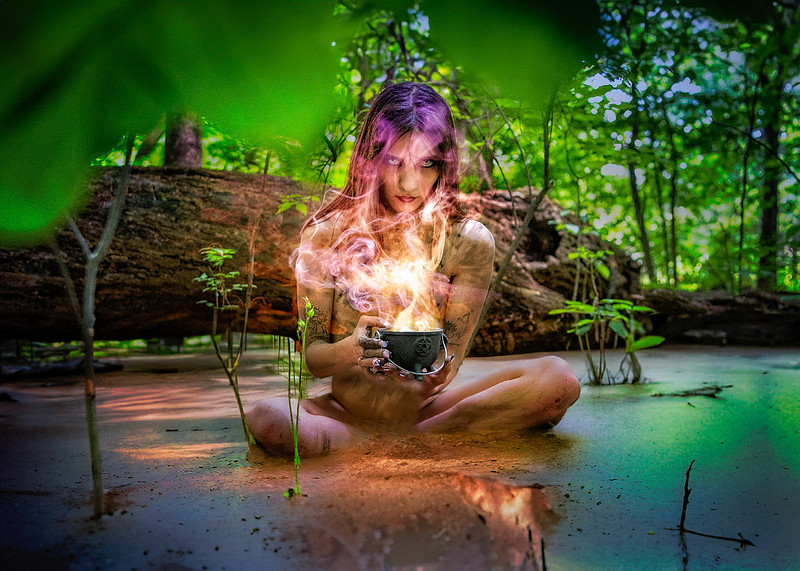 JONATHANHALLPHOTOGRAPHY_0012 JONATHANHALLPHOTOGRAPHY_0012
 A Witch has summoned a murder of crows A Witch has summoned a murder of crows
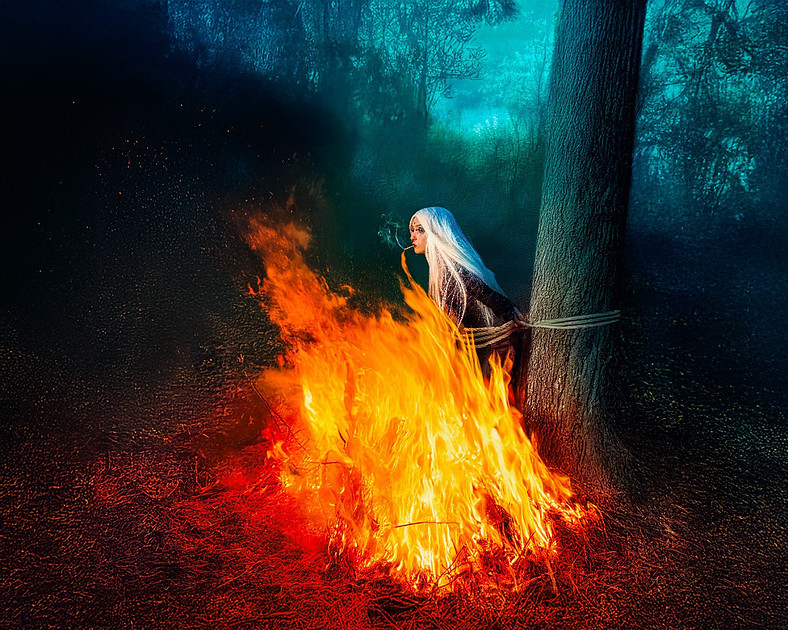 Pyre of DefianceThis powerful image reimagines historical persecution with a defiant twist, portraying a white-haired witch bound to a tree, engulfed by flames, yet calmly smoking a cigarette. It's a statement on resilience and an exploration of the witch's enduring spirit, part of my specialized occult and witchcraft photography by Jonathan Hall Photography, based in Columbus, Ohio. Pyre of DefianceThis powerful image reimagines historical persecution with a defiant twist, portraying a white-haired witch bound to a tree, engulfed by flames, yet calmly smoking a cigarette. It's a statement on resilience and an exploration of the witch's enduring spirit, part of my specialized occult and witchcraft photography by Jonathan Hall Photography, based in Columbus, Ohio.
 A witch in a long black gown is casting a spell and causing hundreds of colorful leaves to swirl about in the air A witch in a long black gown is casting a spell and causing hundreds of colorful leaves to swirl about in the air
 Emberlight Sorceress: A Glimpse into the AbyssIn the dim glow of flickering embers, she stands amid the stone and silence—troubled, haunted, a vision of beauty wrapped in the weight of unseen forces. Emberlight Sorceress: A Glimpse into the AbyssIn the dim glow of flickering embers, she stands amid the stone and silence—troubled, haunted, a vision of beauty wrapped in the weight of unseen forces.
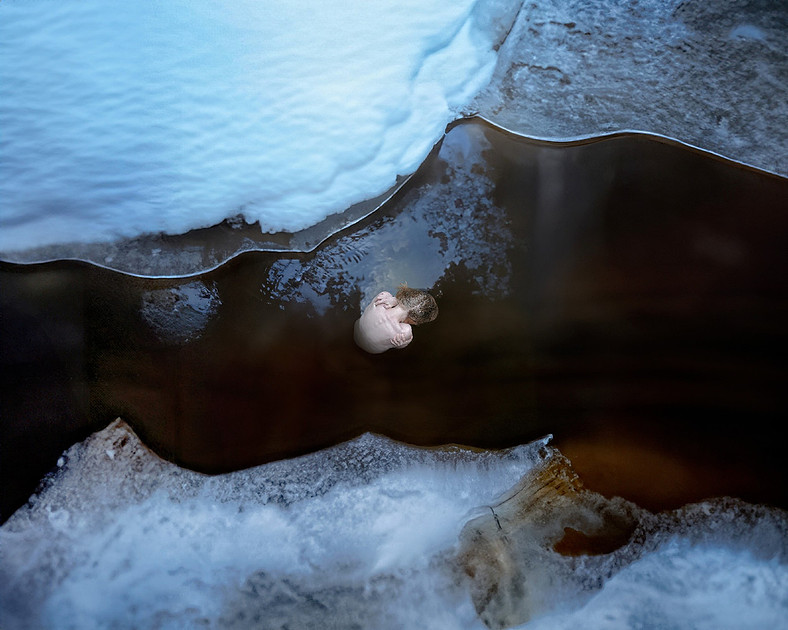 Frostbound Ritual: A Witch’s Communion with the ColdBelow a frozen sky, she surrenders to the icy river—her form bowed to the cold, a silent rite of resilience and power.
The air is sharp with the sting of winter, the sky an iron-gray expanse stretching over the silent forest. Beneath the towering trees, a river winds its way through the landscape, its waters thick and dark as they swallow the pallid light of morning. Here, in the heart of the cold, a lone figure kneels—a vision of pale skin and golden hair, an offering to the frost-laced current. Frostbound Ritual: A Witch’s Communion with the ColdBelow a frozen sky, she surrenders to the icy river—her form bowed to the cold, a silent rite of resilience and power.
The air is sharp with the sting of winter, the sky an iron-gray expanse stretching over the silent forest. Beneath the towering trees, a river winds its way through the landscape, its waters thick and dark as they swallow the pallid light of morning. Here, in the heart of the cold, a lone figure kneels—a vision of pale skin and golden hair, an offering to the frost-laced current.
She does not shiver. Though the icy grasp of the water coils around her, biting deep into flesh, she is unmoved. She has come here with purpose, surrendering herself to the river's ancient voice, to the call of old magic that lingers in the bones of the earth.
Witches are bound to the elements—fire and wind, stone and storm—but in the heart of winter, there is only water and silence. This is no mere act of defiance against the cold; it is a ritual, a communion with forces unseen. The river takes, and it gives. It whispers in forgotten tongues, telling stories older than kings, older than even the stars that watch from above.
She is a conduit, a vessel stripped bare of worldly trappings, her body fragile yet resolute. With arms wrapped around herself, she listens. Feels. The weight of magic settles upon her shoulders, pressing into the ridges of her spine, flowing through blood and breath. The river remembers. It has seen countless nights, countless offerings beneath its blackened surface.
The banks are rimmed with ice, crystalline shards catching in the waning light, and the snow that gathers at their edges seems untouched, unspoiled, as though the world itself has paused in reverence.
To an unknowing eye, she may seem lost, abandoned to the mercy of winter’s cruelty. But this is not suffering—it is transformation.
And when she rises, when the ritual has found its end and the river releases her from its grasp, she will step onto the frozen earth renewed, carrying with her the whispers of something ancient, something forgotten but never truly gone.
 JONATHANHALLPHOTOGRAPHY_0002 JONATHANHALLPHOTOGRAPHY_0002
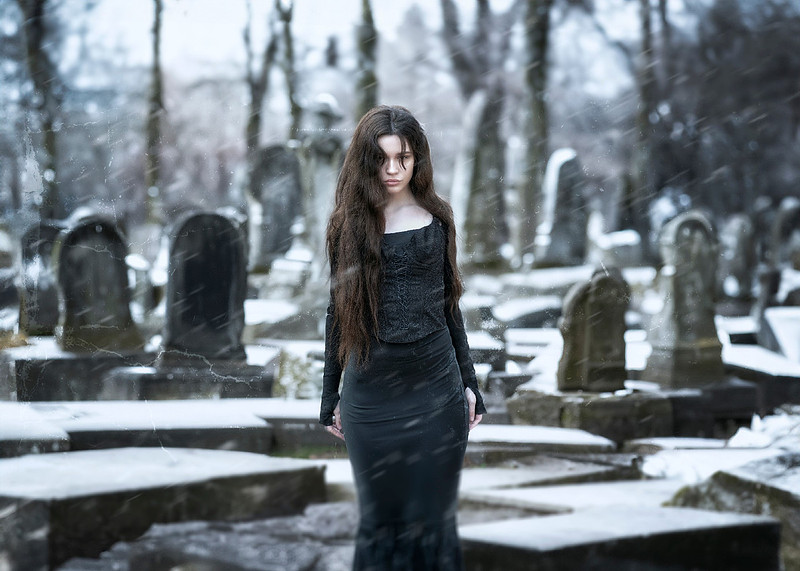 A Witch at the CrossroadsA beautiful pale witch with long brown hair stands facing the viewer in a snow-blanketed, wind-swept graveyard, her fitted black gothic dress contrasting with the swirling white snow. Tombstones and barren trees fade into the stormy background, evoking an atmosphere of haunting winter magic and solitude. A Witch at the CrossroadsA beautiful pale witch with long brown hair stands facing the viewer in a snow-blanketed, wind-swept graveyard, her fitted black gothic dress contrasting with the swirling white snow. Tombstones and barren trees fade into the stormy background, evoking an atmosphere of haunting winter magic and solitude.
Introduction
If you're stepping onto the path of witchcraft, or even just curious about our ways, you'll quickly encounter the profound significance of crossroads. This isn't just a metaphor for life choices; within our practices, a crossroads is a very real, tangible point of power—an energetic nexus that we learn to recognize and utilize.
The Nature of Crossroads: Liminal Power
At its core, a crossroads is where paths meet. In the mundane world, it's an intersection of roads. In our craft, it's an intersection of energies. These are potent, liminal spaces—places of "in-between." Think of them as thresholds, neither here nor there, but existing in both places simultaneously.
This "in-between" quality makes them incredibly powerful for magical work. They don't just symbolize choices; they are points where energies converge, making them ideal for directing magical intent, releasing old energies, or calling in new ones. The very air at a true crossroads feels different, charged.
Perhaps most importantly, crossroads are recognized as places where the veil between the worlds—specifically, between the living and the dead, or between our reality and the spirit realm—is thinnest. This allows for clearer communication, stronger evocations, and more direct spiritual work.
Working with Crossroads in Witchcraft
We use crossroads for a variety of workings:
- Releasing: To banish negative influences, old habits, or unwanted energies, we often walk to a crossroads, perform our rite, and leave the old behind as we depart, not looking back.
- Calling In: For new beginnings, attracting opportunities, or calling specific spirits, the convergence of energies at a crossroads can amplify our intentions.
- Divination: The clear spiritual connection makes them ideal for certain forms of divination, providing sharper insights.
- Spirit Work: They are prime locations for connecting with ancestral spirits, guides, and other entities, offering a clear channel for communication and exchange.
Engaging with crossroads isn't casual. We approach them with respect, understanding their power. Often, offerings are left, thanks are given, and specific protocols are followed to ensure effective and safe magical practice.
Graveyards and Other Places of Sundering
A graveyard is, of course, a profound crossroads. It is the ultimate meeting point of the living, who visit, and the dead, who rest there. The energies are palpable, the veil thin. We approach graveyards with deep reverence. They are powerful sites for working with ancestors, for rites of remembrance, for connecting with the spirit world, and for certain forms of necromancy (always with great care and respect for the departed). The quiet power of a graveyard, especially one with history, is undeniable.
Beyond traditional graveyards, any location where a death has occurred, particularly if it was violent or tragic, can also create a type of crossroads or a point where the veil is dramatically thinned. Such acts or events can cause a tear or a rift in the veil—a sundering, so to speak—making these sites incredibly potent for magical or spiritual interaction. These places hold a distinct energy, a lingering resonance that can be felt and worked with by those sensitive to such currents.
Just like any crossroads, working in these potent sites demands mindfulness, clear intent, and a profound respect for the spirits and energies who reside there. This is not a place for frivolous magic, but for deeply meaningful and often solemn work.
Conclusion: Embracing the Crossroads
Understanding the true nature of crossroads—as potent, energetic, and spiritually charged locations—is fundamental to deep magical practice. These are not merely symbolic places, but active participants in our work, offering a direct conduit to the energies and entities beyond our everyday perception. As you delve deeper into witchcraft, you will learn to recognize and utilize these sacred intersections, finding them to be invaluable allies on your magical journey.
|
Archive
January
February
March
April
May
June
July
August
September
October
November
December
January
February
March
April
May
June
July
August
September
October
(1)
November (1)
December
|
|
|
|
|
January
February
March
April
May
June
July
August
September
October
November
December
|
|